Going Water-Independent in Johannesburg: A Homeowner's Guide

Tired of water interruptions and rising bills? You have three real ways to take control of your water: a backup tank, a borehole, or both. This is an honest guide to the choice, the City's rules, and what it takes to do it safely, from the plumber who handles everything after the drill rig leaves.

After the third water outage that month, we decided we were done being caught out. The question was how far to go: a tank in the yard, or a borehole under it?

A Northcliff family called us after a run of supply interruptions left them without water for the better part of a weekend. They wanted independence, but they were not sure what that actually meant in practice, or what they were legally allowed to do.

We walked them through it the same way we will here. A backup tank is the quick win: store water, ride out the interruptions, keep the cost modest. A borehole is the bigger move: your own water source, a larger upfront spend, and a set of City rules to follow before anyone drills. In the end they did both, a tank first for peace of mind, a borehole the following year.

The point is that none of it was guesswork. They knew the options, the rules, and the real costs before they spent a cent.

That is what this guide gives you.
Three Ways to Take Control of Your Water

Water independence is not all-or-nothing. Most Johannesburg homes land on one of these three paths. Here is what each one involves, what it costs, and who it suits.

Option 1: A Backup Water Tank

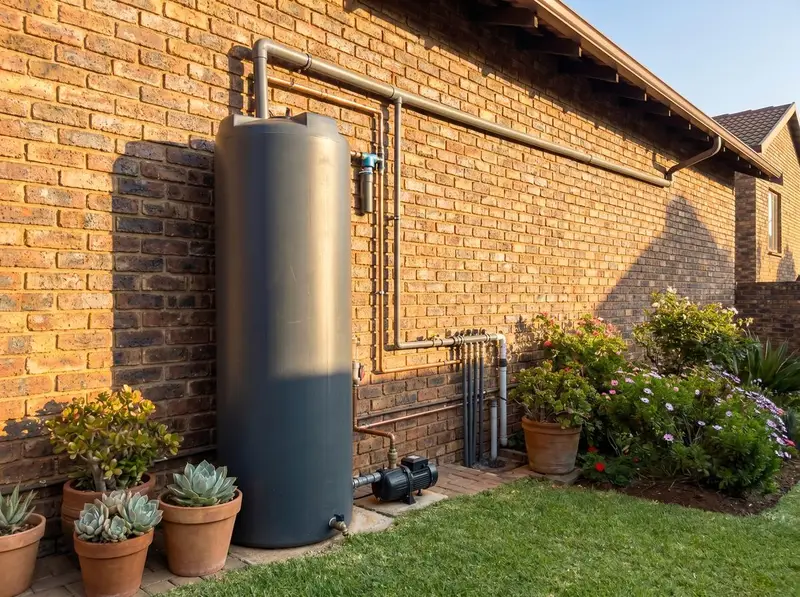
The simplest step towards independence. A storage tank holds municipal or rain water and keeps your taps running through interruptions. Lower cost, quick to install, and no City drilling application needed.

  • Best for riding out supply interruptions
  • Modest upfront cost
  • Automatic switchover when mains drop
  • Stores municipal or rain water
  • No drilling consent required

Option 2: A Borehole

Your own water source from the ground up. The biggest upfront investment, and it comes with City rules and water testing, but it can cut your municipal bill for years and give you genuine supply independence.

  • Your own long-term water supply
  • Can reduce the municipal water bill
  • Needs City consent before drilling
  • Water must be tested and usually treated
  • See the full cost breakdown

Option 3: Tank and Borehole Together

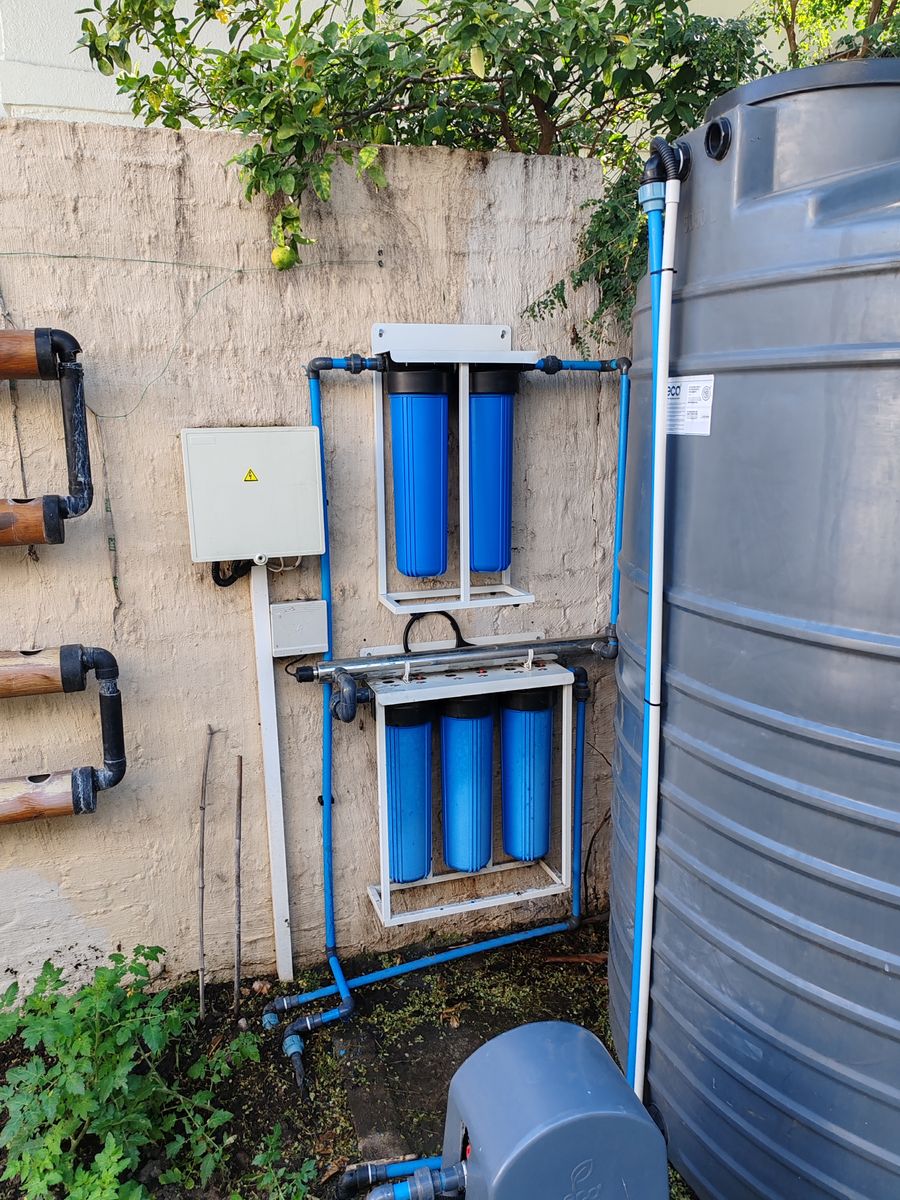
The setup most water-secure homes end up with. The borehole supplies the house while a tank adds storage and steadier pressure. You get independence plus a buffer, tied together in one integrated system.

  • Supply independence plus stored backup
  • Steady pressure, even during pump cycles
  • Often phased: tank first, borehole later
  • One integrated, compliant installation
  • Garden tee-off before fine filtration

Real Borehole Systems We've Connected

We are the team that takes over after the drill rig leaves. Here is some of our borehole pump, connection and treatment work across the northern suburbs.

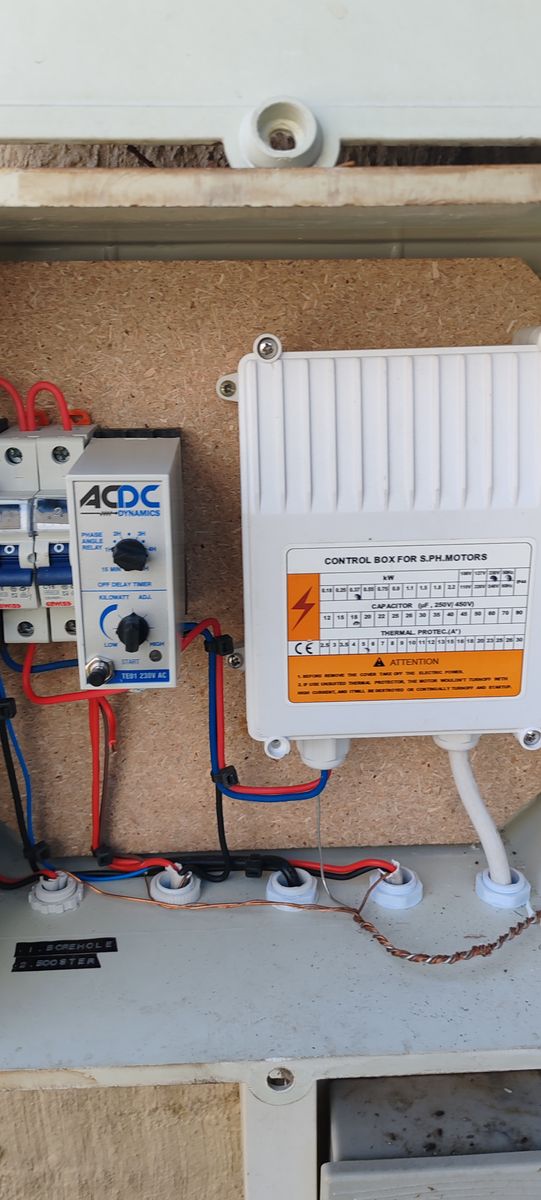
Borehole pump installation completed in Randburg property

Pump Installation

Randburg - Submersible pump fitted and connected to house plumbing

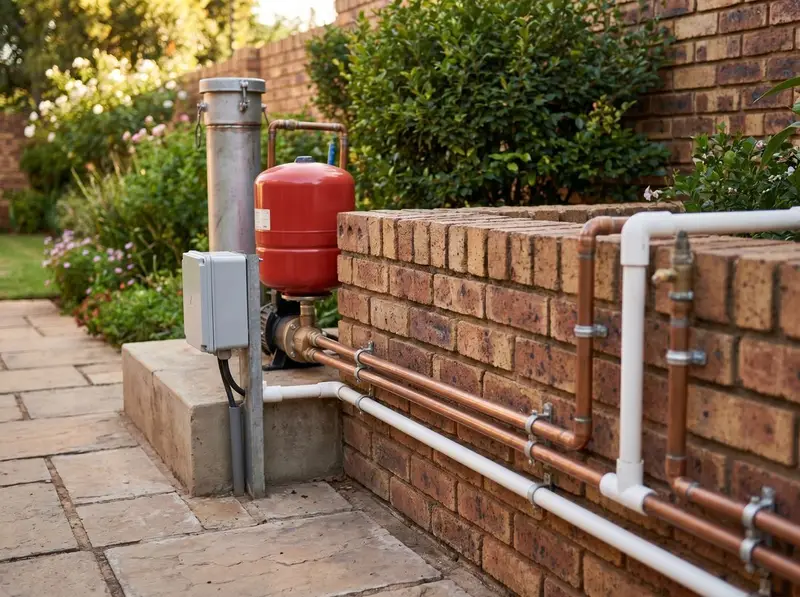
Borehole to house connection piping in Fairland home

House Connection

Fairland - Complete borehole to house plumbing with pressure system

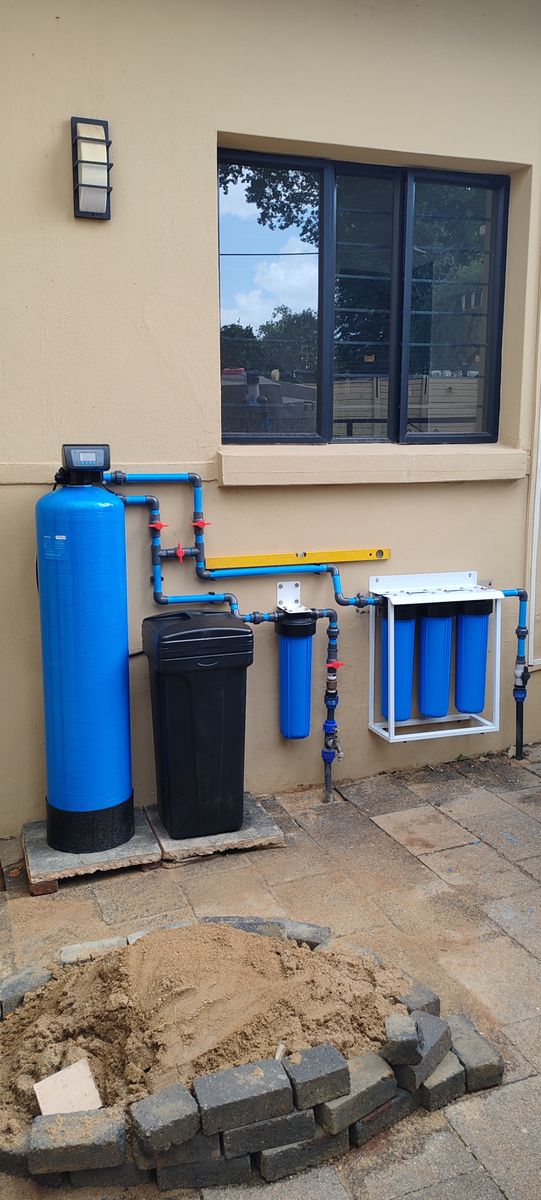
Borehole water filtration system installed in Randburg

Filtration System

Randburg - Iron removal and sediment filtration for borehole water

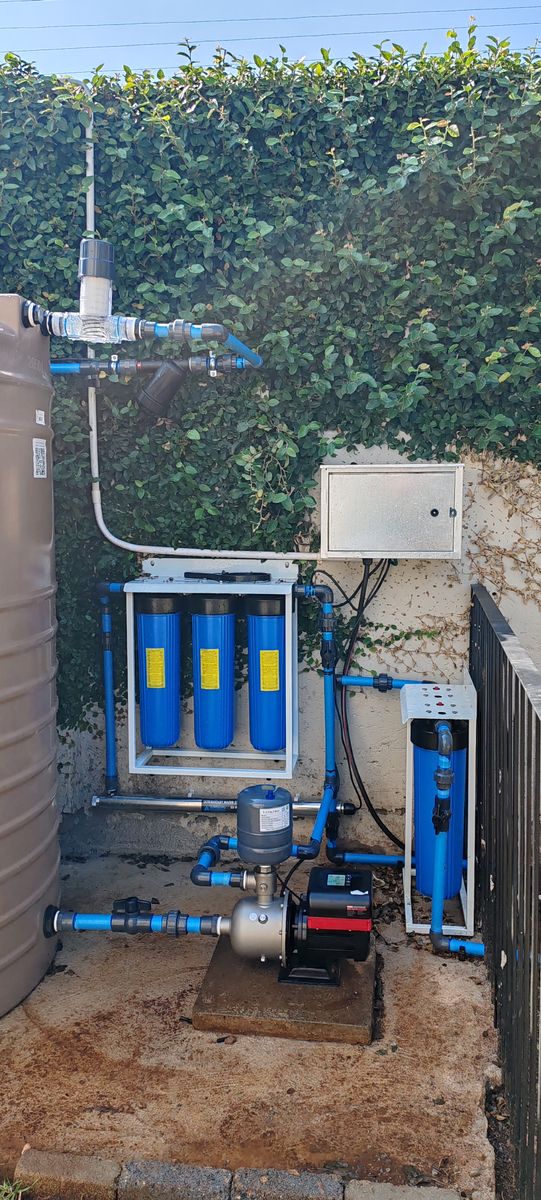
Complete borehole water system with switchover valve in Fairland

Complete System

Fairland - Full borehole system with switchover valve and treatment

From Decided to Drinking: How Andy Plumbers Fits In

Drillers make the hole. We do everything after that, turning a raw borehole into safe, pressurised water at your taps, the legal way.

1

Pump & Pressure

Once your driller confirms the yield, we install and size the submersible pump, pressure tank and booster so the system delivers steady pressure to the house and garden. This is where our pump-installation-onwards scope begins.

2

Test & Treat

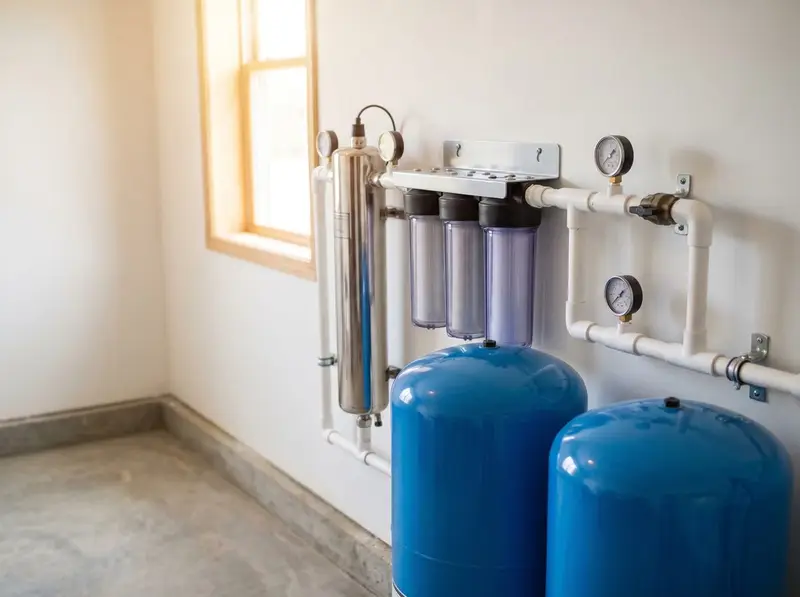
We test the water against the SANS 241 standard, read the results, and install only the treatment your water actually needs: iron and manganese removal, sediment filtration, UV sterilisation or softening. Clear water is not proof of safe water.

3

Connect Legally

We tie the borehole into your home with a proper switchover, non-return valves and backflow prevention so it never cross-connects to the municipal supply, exactly as SANS 10252-1 requires, and issue the Certificate of Compliance.

The Rules You Have to Follow in Johannesburg

Going water-independent is legal and worthwhile, but boreholes are regulated. Here is what the law actually asks of you, in plain language, and where we take the load off your hands.

City Consent Before You Drill

The City of Johannesburg now requires written consent before any drilling starts, plus notice of your intention to sink a borehole. Properties in dolomitic, sinkhole-risk areas are not approved. As of 2025 the application carries a fee of around R1,185. It is a real approval step, not just a notification.

  • Apply to the City and wait for consent
  • Dolomite areas are excluded
  • Keep the approval on site while drilling
  • Confirm the current fee with the City

National Water Act Registration

Good news for most homes: drawing groundwater for reasonable domestic use is a Schedule 1 permissible use, so it needs no water-use licence. You only register with the Department of Water and Sanitation once average use passes about 10,000 litres a day. Commercial or large-scale use needs a full licence.

  • Domestic use is licence-free
  • Register only above about 10,000 L per day
  • Commercial use needs a water-use licence
  • Most households stay within Schedule 1

Test the Water Before You Trust It

Borehole water is not automatically safe to drink. In the Johannesburg area it can carry iron, manganese, hardness, nitrates or bacteria, and quality changes from stand to stand. Responsibility for water quality sits with you, the owner, so test against SANS 241 first and treat to suit.

A Legal, Backflow-Safe Connection

Borehole water must never cross-connect to the municipal supply. SANS 10252-1 calls for non-return valves, an air gap and backflow prevention so private water cannot flow back into the City's line. Done correctly, the installation supports a valid Certificate of Compliance, and this is exactly the part we take care of.

  • Compliant house connection
  • Backflow prevention and air gap
  • Kept separate from the municipal supply
  • Certificate of Compliance issued

Water Independence Across the Northern Suburbs

Water independence looks a little different in each suburb, mostly because of geology and water quality. In Fairland, boreholes typically reach water at 40-50 metres; Northcliff often needs 50-70 metres because of the ridge; Blairgowrie sits between at roughly 45-60 metres. Some pockets to the south and west fall on dolomite, where the City does not approve drilling, so checking your stand is always the right first step.

Water quality varies too. Iron is common in Blairgowrie and parts of Fairland, giving water a metallic edge and staining fittings. Older areas near former septic systems in Linden and Parkhurst can show elevated nitrates. None of this means the water is unusable, it means it should be tested and treated to suit, which is routine once you know what you are dealing with.

Wherever you are, the sequence is the same: decide between a tank, a borehole, or both; clear the City's drilling consent if you are going underground; then get the pump, testing, treatment and a compliant connection done properly. We handle that whole back half for you, including the paperwork most homeowners find daunting, and we are happy to advise before you commit to drilling.

Explore the detail: our borehole overview, borehole cost guide, the full installation process, pump installation, house connection, water testing, water filtration, borehole compliance and COC, and water backup and tank solutions.

Water Independence: Common Questions

Do I need permission to drill a borehole in Johannesburg?

Yes. Under the City of Johannesburg's current process you must apply for written consent before any drilling begins, and give the City notice of your intention to sink a borehole. Properties in areas classed as dolomitic are not approved because of sinkhole risk. As of 2025 the application carries a fee of roughly R1,185. Always confirm the latest requirements and fee with the City before you start.

Do I have to register my borehole with the Department of Water and Sanitation?

For reasonable domestic use, drawing groundwater from your own property is a Schedule 1 permissible use under the National Water Act, so it does not need a water-use licence. Registration with the Department of Water and Sanitation is only required once average abstraction passes about 10,000 litres (10 cubic metres) a day, and commercial or large-scale use needs a full water-use licence. Most households stay comfortably within Schedule 1.

Is borehole water safe to drink?

Not automatically, and clear water is not proof of safe water. Borehole water in the Johannesburg area can carry iron and manganese, hardness, nitrates or bacteria, and quality varies from property to property. Have it tested against the SANS 241 standard, then treat it based on the results before anyone drinks it.

Borehole or water tank, which is better for my home?

A backup tank is cheaper and simpler: it stores municipal or rain water so you keep running water during interruptions. A borehole is a larger upfront investment but gives you your own water source and can reduce your municipal bill over time. Many Johannesburg homes combine both, a tank for security and a borehole for supply. The right choice depends on your budget, your stand, and how much water you use.

Can I connect a borehole to my house plumbing?

Yes, but it must never be cross-connected to the municipal supply. SANS 10252-1 requires backflow prevention, non-return valves and an air gap so borehole water cannot flow back into the municipal line. A correct, separate installation is also what allows a valid plumbing Certificate of Compliance. This is the part Andy Plumbers handles for you.

What does Andy Plumbers do for boreholes, and what do you not do?

We handle everything from pump installation onwards: pump and pressure system, water testing, filtration and treatment, a compliant connection to your house, the Certificate of Compliance, and ongoing maintenance. We do not drill, survey or do the geohydrological work, but we work with trusted drillers and can recommend one.

Thinking About Water Independence?

Let's plan it properly. We will talk you through tank versus borehole, handle the compliant connection and Certificate of Compliance, and take care of the testing and treatment, all during normal business hours.